Small Vehicles, Major Changes:
New EU Rules for
Light Commercial Vehicles
in 2026

June 08, 2026

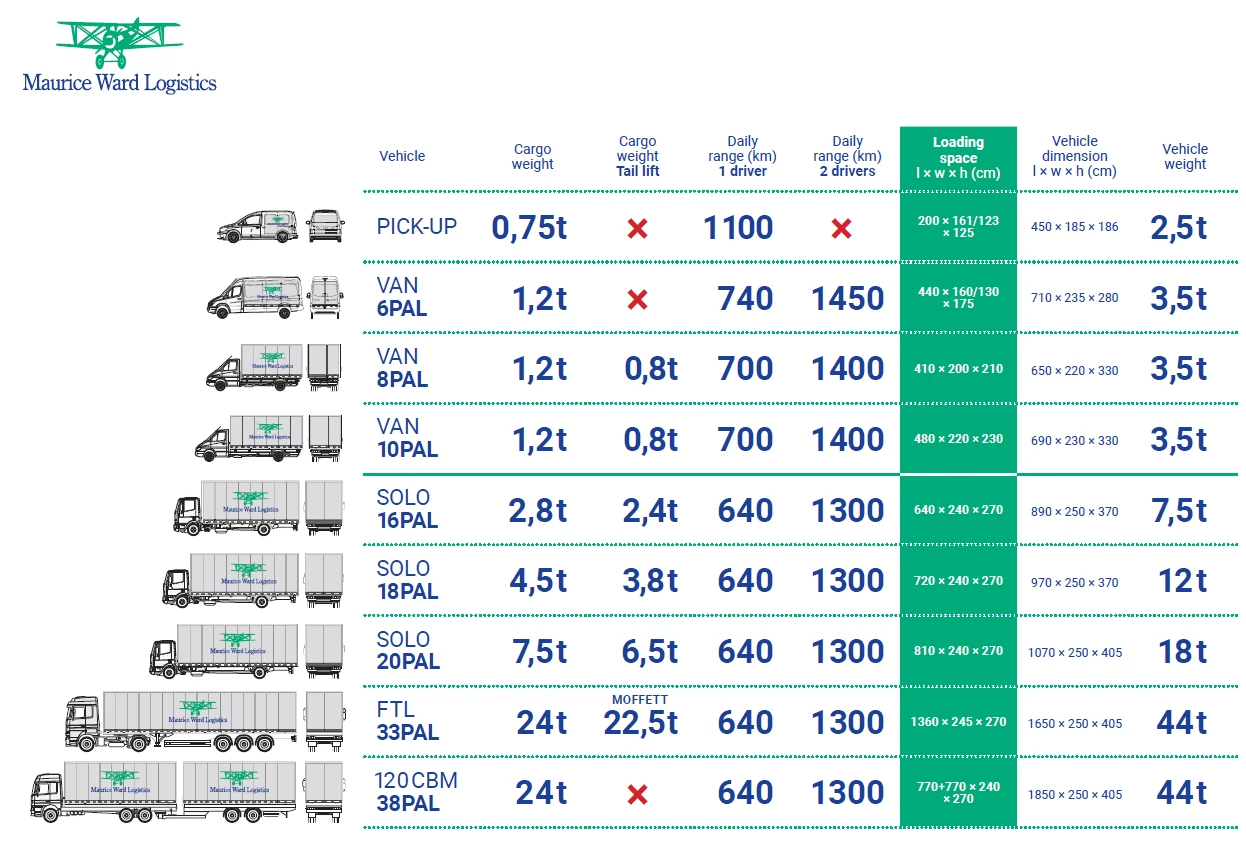
From 1 July 2026new EU legislation concerning the operation of vans with a total vehicle weight between 2.5 and 3.5 tons will officially come into effect. The changes will significantly impact international transport operations across Europe and are expected to reshape the light commercial vehicle (LCV) sector.

Under the new rules, vehicles within this weight category used for international transport operations will be required to operate with a tachograph throughout the entire transport activity. It is important to note that if a tachograph has already been installed in a vehicle before this date, there is already a legal obligation to use it in Germany.

These vehicles will also fall under Regulation (EC) 561/2006, meaning the drivers, both EU and non-EU drivers employed by EU transport companies, operating internationally will need to follow strict working-hour limits, including:

  • A mandatory 45-minute break after 4.5 hours of driving
  • Daily rest periods of 11 hours
  • Weekly rest requirements and other regulated driving limits

While certain reductions and exceptions may apply under specific circumstances, the overall framework will closely mirror existing HGV regulations.

Regulatory Risks and Penalties

Carriers that fail to comply with the new regulations may face significant penalties. Industry sources indicate that fines could reach up to approximately EUR 900 per violation, with repeated infringements potentially leading to further sanctions, including impacts on transport operating licenses.

At the same time, many operators are still awaiting clearer guidance on the practical implementation of certain aspects of the regulation, as details across different jurisdictions remain subject to interpretation.

The Future Impact on International Van Transport

The introduction of these requirements is expected to have a major impact on the transport market.

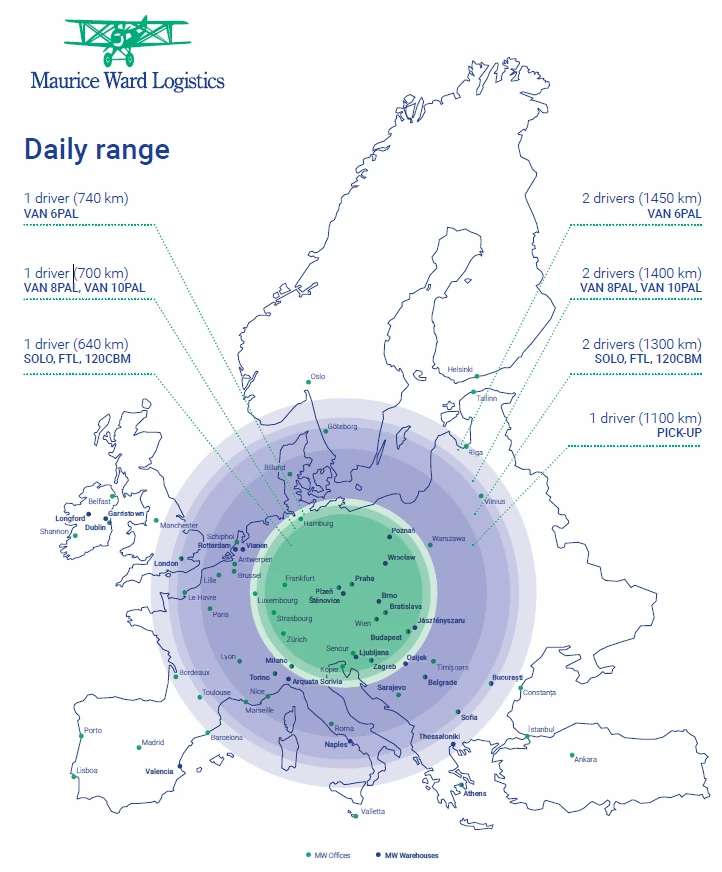
Many carriers may decide to reduce or completely discontinue international transport operations using vans due to increased operational complexity and costs. Night and late-evening loading operations may also become more challenging, as drivers will have stricter legal driving-hour limitations.

As a result, some routes and destinations may no longer be economically viable for vehicles up to 3.5 tons and could instead shift toward larger vehicles above 3.5 tons. However, this is not a reason for despair. We are already seeing a great deal of creativity from vendors and hauliers, with fleets being adapted through the use of smaller vehicles (under 2.5t) or 6.5t vehicles to either maintain 24/7 delivery capabilities (for smaller vehicles) or transport higher cargo volumes while remaining compliant with tachograph requirements.

The logistics industry is already beginning to feel the early effects of these upcoming regulatory changes, with carriers and operators proactively adapting and turning these changes into opportunities for a more structured and efficient operating environment.

Did you know?

The first ever ‘cargo only’ flight was recorded in November 1910 in the USA, using a Wright Model B aeroplane that flew 65 miles carrying a package of silk. The business owner used the pioneering transport more as a PR stunt to celebrate the opening of his store, with the bundle of silk cut into individual pieces and glued onto souvenir postcards.

  • News

  • Search this website Type then hit enter to search